



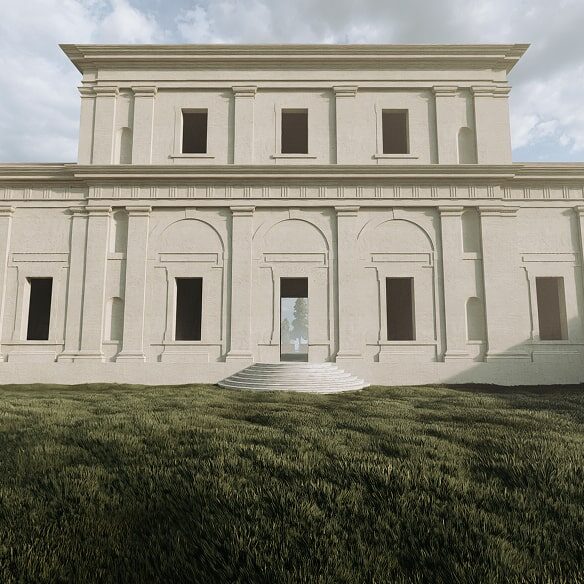
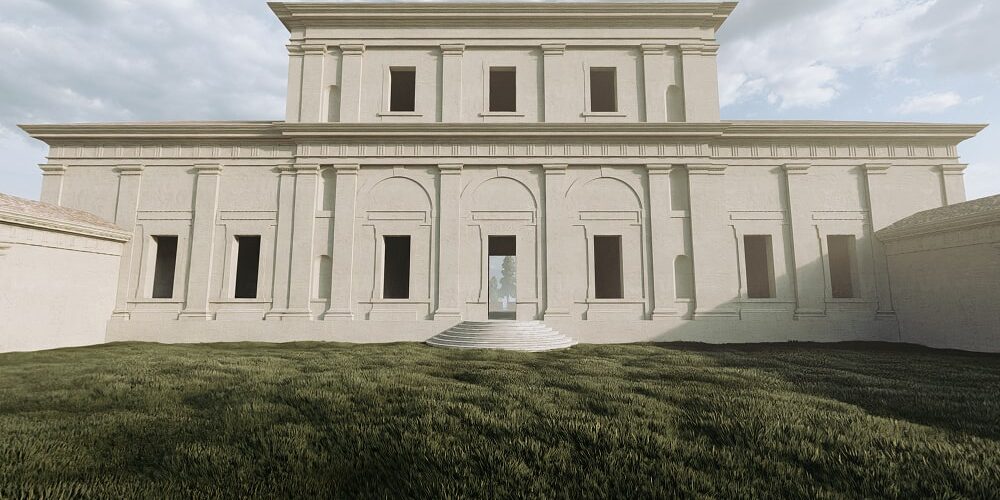
Villa Thiene, located in Quinto Vicentino (VI), has undergone the drafting and implementation of the Architectural Barriers Elimination Plan (PEBA), funded by the European Union – NextGenerationEU within the framework of the National Recovery and Resilience Plan (PNRR), Mission 1 – Digitalization, Innovation, Competitiveness and Culture, Measure 1 “Cultural Heritage for the Next Generation,” Component 3 – Culture 4.0 (M1C3-3), Investment 1.2.
The project involved a total investment of €500,000, allocated to the removal of physical, sensory, and cognitive barriers, with the aim of making the museum fully accessible and promoting broader and more inclusive cultural participation.
The PEBA was developed to:
The plan was drafted in accordance with Regional and Ministry of Culture Guidelines, placing the principle of universal accessibility at its core: the quality of spaces directly affects the possibility of use by everyone, regardless of age or temporary or permanent reduced motor, sensory, or cognitive abilities.
The project was designed by architects Serena Franceschi and Adelmo Lazzari of LAIRA Srl.
Following the development of the PEBA, the following interventions were carried out:
Villa Thiene in Quinto Vicentino can be visited by reservation and was recently renovated with the addition of accessible pathways.

Cookie policy
Su questo sito utilizziamo strumenti propri o di terze parti che memorizzano piccoli file (cookie) sul tuo dispositivo. I cookie sono normalmente utilizzati per consentire il corretto funzionamento del sito (cookie tecnici), per generare rapporti sull’uso della navigazione (cookie statistici) e per pubblicizzare in modo adeguato i nostri servizi/prodotti (cookie di profilazione). Possiamo utilizzare direttamente i cookie tecnici, ma hai il diritto di scegliere se abilitare o meno i cookie statistici e di profilazione. Abilitando questi cookie, ci aiuti a offrirti un’esperienza migliore.